Bringing
Understanding the Need for Computer In Desk Solutions in Today's Workspaces
In today’s super busy work world, integrating Computer In Desk Solutions (CIDS) has really become a game-changer for boosting productivity and making employees’ lives easier. I came across a report from Global Workplace Analytics that said companies embracing flexible workspace setups can see productivity jump by as much as 15%. Pretty impressive, right? The reason is simple: CIDS helps keep things tidy and streamlines the workspace, so employees can get the tech they need without all the messy cables and clutter that usually come with traditional desks.
Here at Guangdong Junshi Intelligent Furniture Co., Ltd., we totally get why these kinds of solutions are becoming a must. Our talented R&D team is all about designing ergonomic workspaces that blend seamlessly with the latest tech. Interestingly, a survey by the International Ergonomics Association found that 76% of workers feel happier and more satisfied when they’re in environments equipped with ergonomic features. CIDS isn’t just about making offices look modern—it also cares about the physical health of employees, which leads to a more engaged and productive team.
As companies keep evolving and trying to stay ahead in this changing work landscape, investing in smart workspace systems is a smart move for long-term growth and keeping talented employees around. By focusing on cutting-edge ergonomic tech, businesses aren’t just working better—they’re also creating a happier, more motivated workplace overall.
Challenges of Integrating Computer In Desk Solutions into Modern Workspaces
| Challenge | Description | Impact on Workspace | Potential Solutions |
| Space Constraints | Limited workspace in Modern Offices can hinder the integration of new technologies. | Reduced productivity due to cramped spaces. | Utilize modular furniture designs to optimize space. |
| Connectivity Issues | Integration requires reliable network connectivity. | Disruptions in workflow. | Improve IT infrastructure and wireless connectivity. |
| Cost Factors | Initial investment for computer in desk solutions can be high. | Budget constraints may limit implementation. | Explore leasing options or phased implementation. |
| User Adaptation | Employees may be resistant to change or new technology. | Potential decrease in employee morale. | Implement training programs and gather user feedback. |
| Ergonomic Challenges | Proper ergonomics must be maintained to prevent physical strain. | Health issues related to improper posture. | Incorporate ergonomic assessments in the design phase. |
Key Challenges in Implementing Computer In Desk Solutions Effectively
Bringing computers into desk setups and adding them to modern workspaces sounds great, but there are actually quite a few hurdles companies need to jump over to make it all work smoothly. One big issue is that office environments are all over the place when it comes to infrastructure. For instance, a report from Global Workplace Analytics mentions that about 72% of organizations struggle to adapt their current office layouts to fit new tech. That kind of variation can really bump up costs and cause delays because businesses end up having to customize solutions for each unique space.
Then, there's the whole challenge of getting people onboard with these new setups. A study by the International Data Corporation pointed out that around 60% of employees feel a bit overwhelmed when faced with new technology, which can make them resistant to change. That’s why good training and change management are so important—they help ease fears and make the transition a lot smoother. Organizations really need to focus on creating a user-friendly experience and provide thorough onboarding so folks actually feel comfortable using these computer-in-desk solutions. Tackle these issues head-on, and companies can unlock the full potential of integrated workspace tech, making everyone more productive in the process.
Essential Features to Consider for Seamless Integration in Modern Offices
In today’s fast-changing work environments, bringing computer-in-desk solutions into the mix definitely brings its fair share of challenges—but also some pretty exciting opportunities. Take the newer office spaces popping up around the world, like the latest workspace launched in Thailand. They’re all about designing spaces that boost employees’ well-being while seamlessly integrating cutting-edge tech. Interestingly, a recent report shows that about 73% of workers feel more productive when their office is thoughtfully designed and technology is smoothly part of their daily routines. That really highlights how important it is to have tech solutions that work effortlessly to foster a collaborative and comfortable workplace.
When it comes to actually choosing these features, companies should focus on making interfaces user-friendly, ensuring strong connectivity, and keeping things space-efficient. Some research even shows that multifunctional workstations—which combine storage, power outlets, and tech—can boost workflow by up to 40%. That’s a big deal when it comes to creating a more efficient setup. Plus, with remote and flexible working on the rise, it’s super important for these solutions to be adaptable to different organizational needs. Looking ahead, investing in thoughtfully designed office spaces and tech-savvy workstations will be key for keeping employees engaged and making operations run smoothly.
Challenges of Integrating Computer In Desk Solutions into Modern Workspaces
This chart illustrates the key challenges faced when integrating computer in desk solutions into modern workspaces, highlighting areas such as cost, space efficiency, ergonomics, technical compatibility, and aesthetics. Each dimension represents the level of challenge on a scale from 0 to 100.
Strategies to Overcome Technical and Ergonomic Challenges
Trying to incorporate computer-in-desk setups into modern offices isn't just about plugging things in. There are some real technical and ergonomic hurdles that pop up, and figuring out how to tackle them takes a bit of strategy. For starters, one of the biggest issues is making sure these systems play nicely with the infrastructure you already have at work. So, it’s a good move to go for modular options that can easily fit into different kinds of office spaces. Doing a thorough check of your current hardware and software before jumping in can save you a lot of headaches later on. And don’t forget—training your team on how to use these new setups can really pay off. It helps reduce any skepticism and keeps things running smoothly.
On the ergonomic side, it’s equally important. A poorly designed workspace can cause discomfort or even lead to long-term health problems, which no employer wants. To avoid that, make sure the desks have adjustable features that suit different people’s needs. Ergonomic assessments are super helpful—they help you figure out the best height for desks, monitor placement, and keyboard angles. Features like sit-stand desks are also a great addition—they promote movement and actually boost overall well-being. When you blend innovative tech with good ergonomic practices, you're creating a workspace that not only boosts productivity but also cares for your team’s health in the long run.
Future Trends: The Evolution of Desk Solutions in Workplace Design
As the way we work keeps changing, having smart desk solutions becomes more and more important for boosting productivity and keeping employees happy and healthy. Looking ahead, it seems like workplaces are moving toward adaptable setups where ergonomic design and the latest technology go hand-in-hand. Companies like Guangdong Junshi Intelligent Furniture Co., Ltd. are really leading the charge, coming up with innovative smart office solutions that meet the fast-paced needs of today’s businesses.
If you're thinking about adding computer-in-desk tech to your office, here are a few things to keep in mind. First off, don’t forget about ergonomics. Adjustable height desks can make a big difference—they help reduce strain and keep everyone comfortable. Second, make sure the tech integrates smoothly with the design. Power outlets, USB ports, and other utilities should be easy to access without messing up how things look. And finally, think flexibility; modular furniture that can be rearranged or expanded really supports different working styles and encourages collaboration, making the space more efficient overall.
By jumping on these trends, businesses can create work environments that are not just tech-savvy but also healthy and engaging for everyone involved. It’s all about shaping a future workspace that works for everyone, you know?
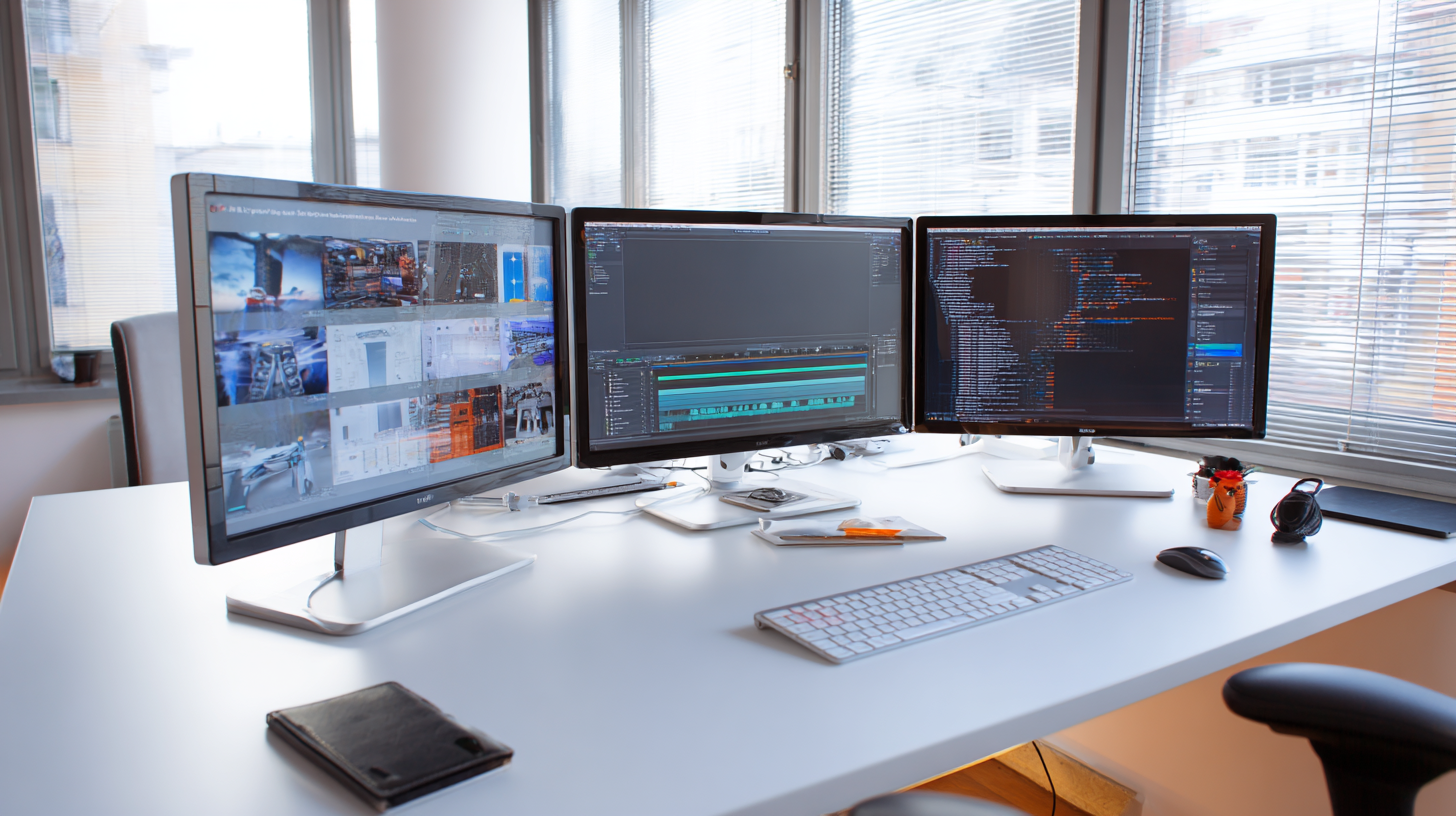
Best Practices for Maintaining and Upgrading Integrated Desk Technology
When it comes to integrating computer-in-desk setups into today's workspaces, keeping everything maintained and up-to-date is super important if you want these systems to last and work efficiently. It’s not just about checking the hardware now and then; updating software is just as crucial because it can boost performance and security. Setting up a regular maintenance schedule really helps catch issues early on, so you’re not caught off guard with unexpected downtime. And hey, involving employees in these tasks can actually make a difference — it gives them a sense of ownership and makes them more likely to report any problems quickly.
Upgrading the tech built into desks isn’t something to do on a whim. It should be a well-thought-out decision, based on how your workspace and team are changing over time. Staying on top of the latest trends — like better connectivity options, ergonomic features, and smarter power systems — can make a big difference. Regular check-ins to see how well the current tech is serving your needs can help decide when it's time for an upgrade. And don’t forget to ask the folks using the desks what they think — their feedback can really point you in the right direction and ensure that any upgrades actually make sense for everyone, aligning with your organization’s goals.
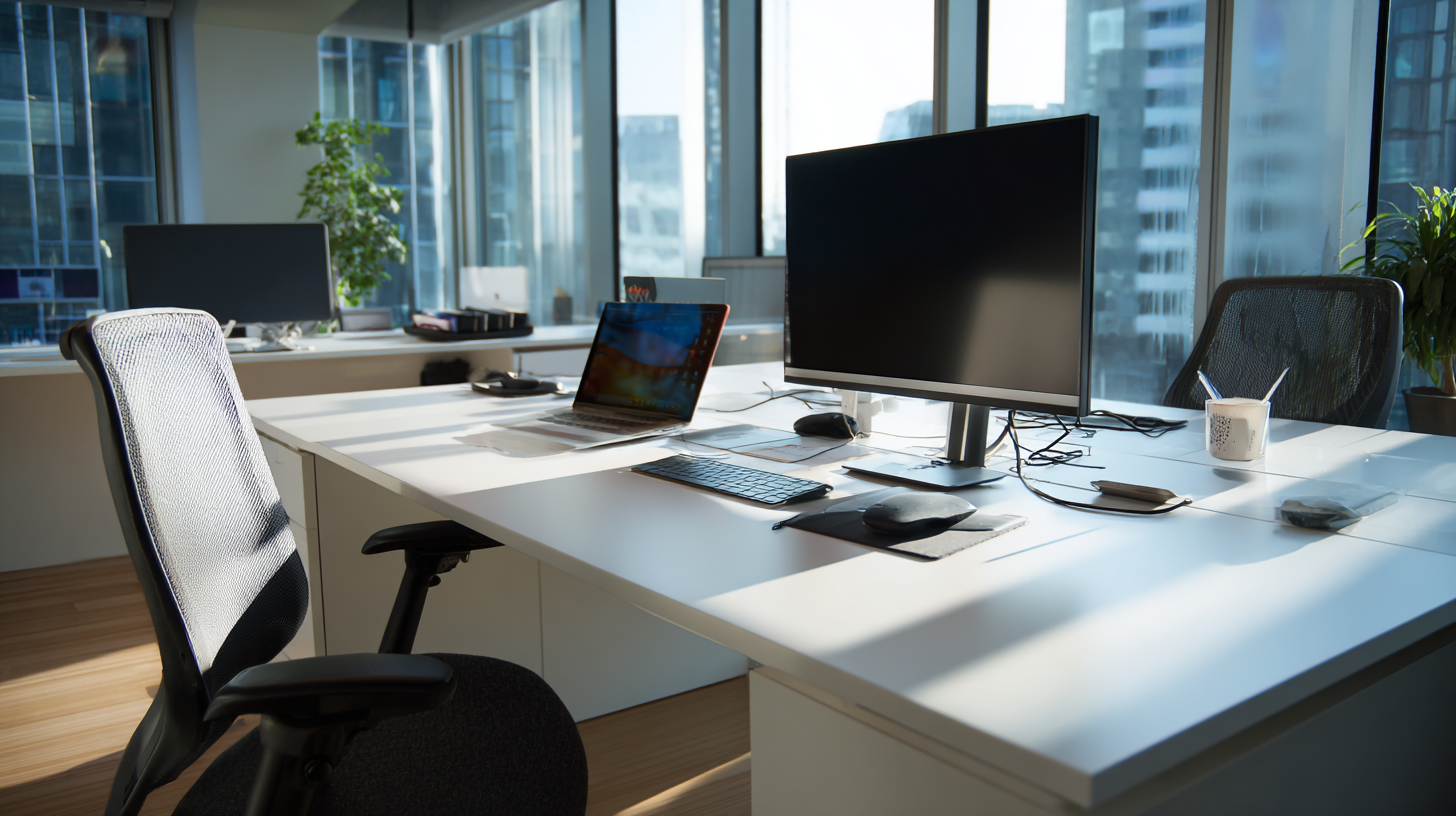
Transform Your Workspace: The Ultimate Sleek Modern Office Desk for Style and Durability
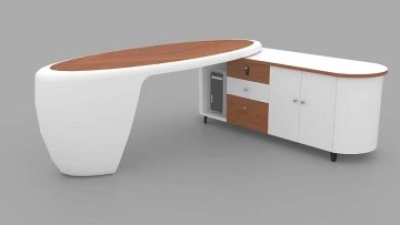
In today’s fast-paced working environment, the significance of a well-designed office desk cannot be overstated. The sleek modern lacquer desk from Junshi Intelligent epitomizes the perfect blend of style and durability, addressing the increasing demand for furniture that not only complements contemporary aesthetics but also stands the test of time. According to a report by the American Society of Interior Designers, a functional workspace can improve productivity by up to 20%, underscoring the importance of selecting the right Office Furniture.
The Junshi Intelligent lacquer desk features a smooth, beautiful surface that enhances any office’s decorative appeal while providing robust durability. Crafted from environmentally friendly materials, this desk is not only stylish but also health-conscious, ensuring a pollution-free environment for the modern professional. The use of high-grade lacquer not only adds to its visual appeal but also guarantees longevity, making it a savvy investment for any workspace. With customization options available and the benefit of quick shipping, Junshi’s offerings are tailored to meet individual needs while maintaining high efficiency in design and functionality.
Moreover, the complete range of furniture options available within the Junshi Intelligent series caters to varying office requirements, providing a cohesive look that optimizes space and comfort. With reports indicating that well-designed workspaces significantly reduce stress levels and enhance comfort, choosing the right office desk like the Junshi lacquer model is essential for fostering a productive and inviting work atmosphere. As businesses continue to prioritize adaptable and enjoyable work environments, Junshi’s commitment to quality and style sets them apart in the competitive furniture market.
FAQS
: A significant challenge is the variation in infrastructure across different office environments, with 72% of organizations struggling to adapt existing office layouts to accommodate new technology.
Infrastructure inconsistency can lead to increased costs and delays in deployment, as companies must customize solutions to fit diverse workspace designs.
According to a study by the International Data Corporation, 60% of employees feel overwhelmed by new technology.
Effective training and change management strategies are essential to alleviate concerns and promote a smoother transition, along with thorough onboarding processes.
Research shows that 73% of employees feel more productive in well-designed office spaces that effectively incorporate technology into their daily tasks.
Organizations should prioritize user-friendly interfaces, robust connectivity options, and space-saving designs.
Multifunctional workstations can enhance workflow by 40%, creating a more efficient setup by combining storage, power outlets, and technology.
The rise of flexible working arrangements necessitates that these solutions adapt to various organizational needs, supporting both in-office and remote work scenarios.
Investing in purpose-led office designs and technology-enhanced workstations will be critical in driving employee engagement and operational efficiency.
The seamless integration of computing solutions facilitates a collaborative atmosphere, essential for modern work environments.
Conclusion
You know, in today’s ever-changing work environments, having Computer In Desk solutions has kind of become a must-have. They don’t just help folks get more done—they also make the workspace ergonomic and comfortable. That said, rolling out these systems isn’t all smooth sailing; there are some hurdles, like making sure they play nice with existing setups and actually support good ergonomics for users. Companies like Guangdong Junshi Intelligent Furniture Co., Ltd. are really stepping up, creating innovative, smart Workspace Solutions that blend tech with comfort effortlessly.
Looking to the future, it’s all about seamless integration, focusing on core features that genuinely improve user experience, and finding ways to handle technical bumps in the road. If organizations want to stay ahead, they really need to keep up with best practices when upgrading their integrated desk setups. Embracing these Computer In Desk solutions isn’t just a fancy upgrade—it can totally transform offices into flexible, efficient spaces that cater to all kinds of work styles.